A Designer's Review: The Merry Christmas T-Shirt Embroidery Design
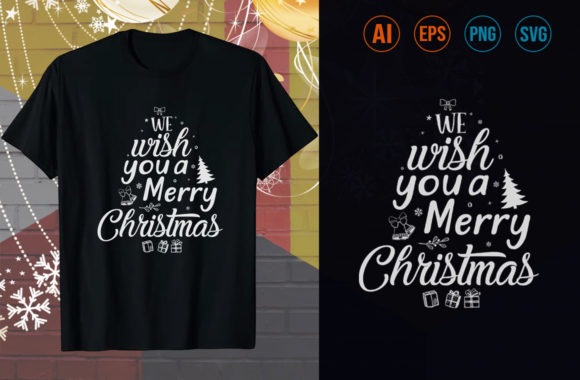
As someone who has stitched countless holiday designs onto everything from t-shirts to tea towels, I approach every new embroidery file with a practical eye. My goal isn't just to see the design on screen; it’s to visualize how it will look after stitching, how it will feel on fabric, and how it will resonate with a customer holding the finished product. Today, I’m evaluating the We Wish You a Merry Christmas T Shirt design for real project use.
The First Impression: Festive, Friendly, and Ready for the Hoop
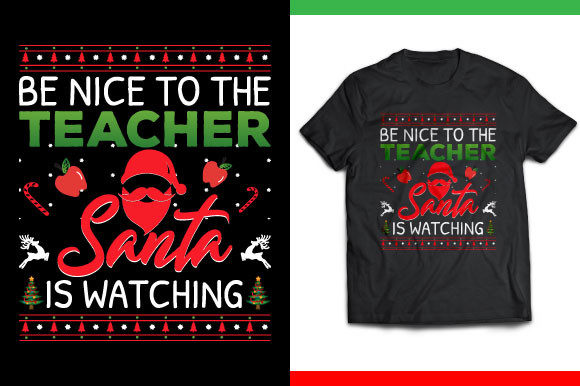
Right away, this design strikes a classic, cheerful tone. It’s the kind of graphic that feels instantly familiar and warmly inviting—perfect for the holiday spirit. The layout suggests a central, bold statement, likely with clean shapes and lettering that would translate well into satin stitches and fill areas. For an embroidery designer, that first glance tells me this isn't an overly intricate, fragile design; it has a personality suited for a robust, clear stitch-out on various products. It naturally belongs on cozy, giftable items: a festive sweatshirt, a welcoming kitchen towel, or a personalized holiday apron.
Where This Design Shines in Real Projects
Imagine you’re preparing for a craft fair or updating your Etsy shop’s holiday collection. This design has broad application potential. I can immediately see it working beautifully on:
- Custom Apparel: A nicely stitched version on a high-quality t-shirt or sweatshirt becomes a standout seasonal product.
- Home Goods: Embroidered onto a pillow cover or a linen tea towel, it adds handmade charm to holiday decor.
- Personalized Gifts: Stitched onto a tote bag or an apron as a custom gift, it feels thoughtful and professional.
- Small Business Merchandise: For a boutique or creative brand, it offers a recognizable, festive graphic for limited-run holiday merchandise.
The mention of it being a vector-based graphic from the Print Templates and Graphics category is a key point for us. Vector files mean scalability and editability. This is crucial for embroidery. You can likely adjust the size confidently for different hoop sizes without losing quality, and the "easy color change" promise means you can adapt the thread palette to match different fabrics or product lines—a huge advantage for commercial embroidery projects.
A Specific Scenario: The Embroidered Holiday Tote
Let’s walk through a real case. You want to create a set of embroidered holiday tote bags as a small shop product. Using this design, you’d scale it to fit nicely within your chosen hoop size for bag fronts. The clean shapes should result in good stitching clarity, making the final product look crisp and valuable. A customer seeing this on a bag isn’t just seeing a generic print; they’re seeing the texture and depth of embroidery, which elevates the item’s perceived worth and boosts buyer engagement for your craft business.
Practical Considerations and Careful Use
While the design appears adaptable, a professional always thinks through the challenges. Here’s where I’d proceed with attention:
- Small Details & Fabric Choice: If the design contains tiny lettering or very detailed corners, test it first on scrap fabric. On stretchy fabrics or textured materials like some sweaters, small details can get lost or distorted.
- Dark Fabrics: Stitching on dark backgrounds requires thoughtful thread color contrast. The vector editability should help you plan light, bright color schemes for dark garments.
- Dense Stitch Areas: If certain sections are very dense with fill stitches, they might feel stiff on thin fabrics like baby clothes or certain t-shirts. Proper stabilizer choice becomes critical.
- Curved Surfaces: Applying this to a cap or hat requires careful sizing and testing to ensure the design layout fits the curved surface without awkward distortion.
Impact on Your Work and Customer Trust
Using a well-executed design like this affects more than just the stitch-out. It influences your entire process. A design that stitches out clearly and reliably enhances your confidence and professionalism. When a finished embroidered product—say, a holiday baby blanket—looks crisp and joyful, it strengthens customer trust in your handmade presentation. It becomes a giftable item people are proud to give. For brand consistency, if you’re creating a holiday line, this design can be a cohesive element across different products, from apparel to decor.
Essential Designer Notes Before You Stitch
My practical workflow always includes these steps, and I recommend them for this design:
- Test on Scrap: Always run a test stitch on a scrap of your intended fabric. Check for stitch density issues, thread tension, and the clarity of all details.
- Check Color Contrast: Review your thread choices against both light and dark fabric backgrounds. Sometimes, viewing the design in a simple black-and-white mockup can help you assess shape clarity separate from color.
- Confirm Hoop Size: Ensure your scaled design fits comfortably within your machine’s hoop capabilities for a smooth stitch-out.
- Understand the License: The product description mentions vector files for editing. However, always confirm the specific licensing terms before selling finished items or digital products derived from the file. Know if it’s cleared for commercial embroidery projects.
Final Thoughts: A Versatile Holiday Asset
The We Wish You a Merry Christmas T Shirt design presents itself as a versatile, festive asset for embroidery designers and makers. Its vector nature suggests good adaptability for various projects, from personal gifts to small shop merchandise. The mood is right, the application is broad, and with careful preparation and testing, it can become a reliable part of your holiday embroidery workflow. Remember, the best digital embroidery file is one that not only looks good on screen but also translates into a beautiful, durable, and appreciated finished product.