Carpenter SVG T-Shirt Design: A Graphics & Print Templates Review
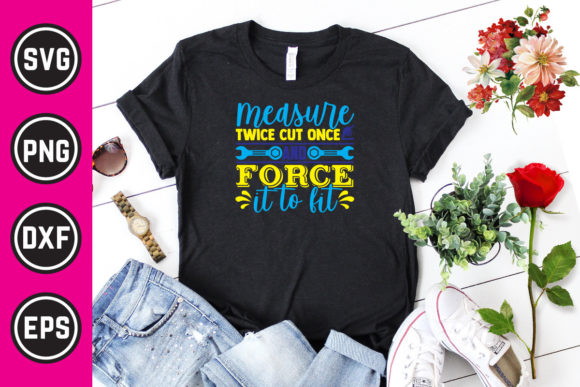
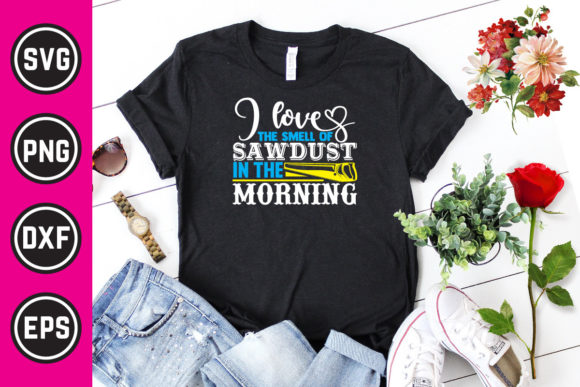
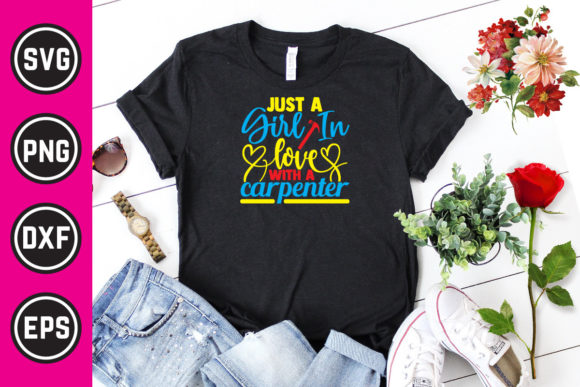
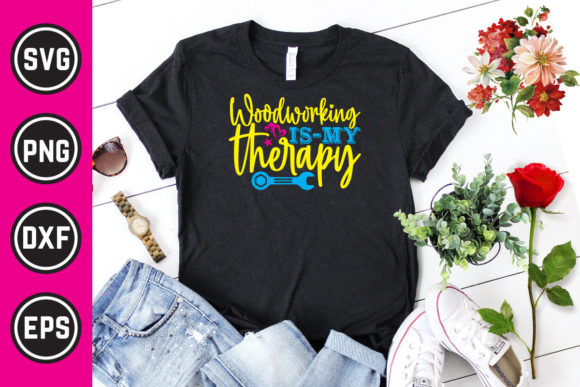
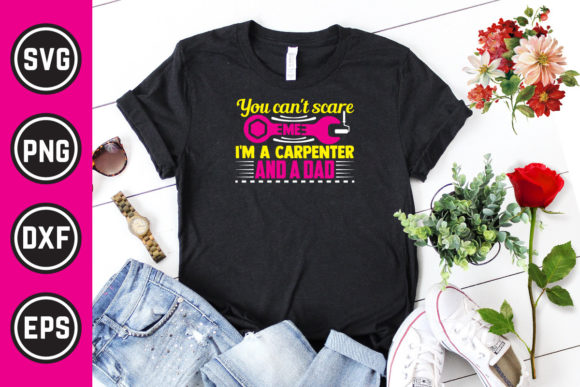
As a designer preparing a brand refresh for a local carpentry workshop, I recently reviewed the Carpenter Svg T Shirt Design 52 asset for potential integration into their visual identity. My first impression was immediate: this is a design built for authenticity. It doesn’t feel like generic clipart; it carries a mood of skilled craftsmanship and grounded, hands-on work. The visual elements suggest a rustic, yet clean, style that naturally fits clients in trades, handmade businesses, or boutique product lines celebrating artisan quality.
Establishing a Visual Mood for Real Client Projects
When a small business like a carpentry shop needs to communicate trust and skill, their graphics must reflect that. This particular design asset creates a mood of reliability and traditional craftsmanship. For a project involving product labels for a line of handmade wooden goods, or packaging for a tool kit, the style provides an instant thematic anchor. It moves away from sterile corporate visuals and leans into the emotional appeal of the handmade, which is perfect for audience engagement on platforms like Etsy or social media.
Performance Across Critical Design Applications
In real design situations, versatility is key. For this client, I considered several applications.
- Logo Design & Brand Identity: While likely a supporting element rather than the core logo itself, it works excellently as a brand mark or illustrative accent on business cards and signage.
- Product Mockups & Merchandise: As a t-shirt design, it’s clearly a strong fit. Its scalability means it works equally well on mugs, tote bags, and as sublimation design for other apparel.
- Packaging Design & Labels: The high-resolution nature allows for crisp detail on product stickers, box labels, and hang tags, enhancing the perceived professionalism of the physical product.
- Marketing Visuals & Social Media Graphics: For Instagram posts announcing a new workshop or Pinterest pins showcasing a project, it serves as a powerful, recognizable graphic. It can anchor Canva templates for the client’s own use.
- Printable Designs & Editorial Elements: For flyers for a local event or decorative accents in a workshop brochure, it adds thematic consistency without overpowering the text.
Where This Graphic Design Asset Works Best
The inherent strength of this vector resizable asset lies in its application as a hero graphic. It commands attention in large layout areas—think the header of a website promoting a carpentry service or the main visual on a campaign poster for a seasonal market. It’s ideal for themed collections, where it can be repeated across different materials (invitations, stickers, digital ads) to create a cohesive campaign visual. Its detail makes it perfect for product mockups where texture and craft are selling points.
Considerations for Careful Implementation
Even with its versatility, professional design requires judgment on where an asset might not perform optimally.
- Small Sizes: When reduced to a tiny icon in a crowded footer or on a small badge, some intricate details may become muddled, harming readability.
- Complex Backgrounds: Placing it over a busy, textured background could break visual hierarchy and make the design feel chaotic.
- Minimalist or Corporate Branding: For a client needing a very clean, sleek, and modern brand identity, this rustic style might conflict with the desired professional impression.
- Low-Contrast Designs: If the color palette is adjusted to very subtle tones, the design’s impact and recognition value could diminish.
Impact on Brand Consistency and Professionalism
Integrating a pre-made graphic into a client’s ecosystem requires ensuring it supports, not disrupts, brand consistency. This carpenter design, when used deliberately, bolsters visual trust. It tells a story the client wants told. For audience engagement, especially in niches like crafters or DIY communities, it creates an immediate connection. However, its success depends on treating it as a component, not the totality. It must work alongside the chosen typography—perhaps pairing well with a sturdy sans-serif font for clarity, rather than a competing script font.
Essential Designer Notes Before Commercial Use
Before committing this asset to a paid client project, I run a series of practical checks.
- Test Scalability: Preview it at both very large and very small sizes to ensure the vector integrity holds up for all intended uses, from Cricut projects to large format posters.
- Check Contrast and Color: The easy-to-change color feature is valuable, but I test the design in black and white, and on both light and dark backgrounds, to confirm readability in all scenarios.
- Validate Print Quality: Place it on real t-shirt mockups and other product templates to simulate the final output. The 300 DPI specification is crucial for this.
- Review File Formats & Editability: Inspect the SVG files to confirm they are cleanly editable for any minor client-specific adjustments, and check PNG transparency if included for digital overlays.
- Confirm Licensing: The most critical step: unequivocally confirm the commercial license covers the client’s intended use in print-on-demand, digital sales, and marketing materials.
Ultimately, the Carpenter Svg T Shirt Design 52 is more than a simple digital product; it’s a potential cornerstone for a specific creative design direction. For designers working with clients in artisan trades, handmade businesses, or themed local events, it provides a polished, ready-to-deploy asset that can significantly speed up development while maintaining a high-quality visual mood. Its value lies not just in the download, but in its thoughtful application within a holistic commercial design strategy.