Cat Scan Technologist SVG for Blog Graphics & T-Shirt Designs
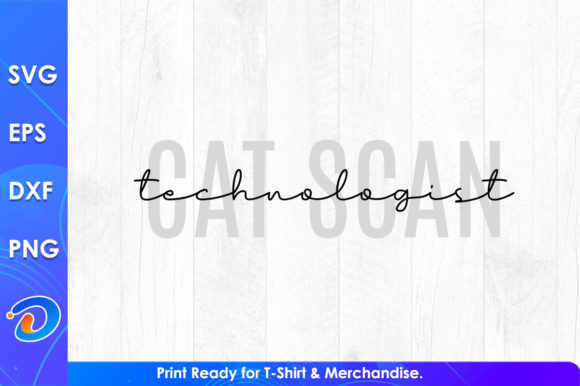
Every time I open a new graphic design asset for content publishing, I ask the same question: will this hold up under real editorial pressure? With the Cat Scan Technologist Svg File, the answer came faster than I expected. The moment I previewed the cutting file, I saw a design that balances professional tone with personality, something that is genuinely hard to find in niche medical-themed graphics. It does not feel sterile or overly clinical. Instead, it carries a clean, slightly bold energy that fits effortlessly into blog graphics, social media visuals, and even printed supplementals for content websites.
What surprised me most was how versatile the visual mood actually is. It can read as educational and authoritative on a radiology resource page, then pivot to playful and relatable on a lifestyle blog post about healthcare careers. That flexibility matters when you are publishing across multiple platforms and need your visual hierarchy to stay coherent without feeling repetitive.
First Editorial Impression of the Cat Scan Design
When I dropped the SVG into my test layout, the lines held up beautifully. No jagged edges, no awkward scaling issues. The composition feels intentional, with enough negative space to let the graphic breathe inside a website header or a featured image card. It is the kind of design that does not fight for attention but also does not fade into the background, making it a strong candidate for editorial design projects where the graphic needs to support a headline rather than overpower it.
The aesthetic leans modern and slightly illustrative without drifting into cartoon territory. That sweet spot is valuable for publishers who want their content to look polished and trustworthy. If your blog covers medical imaging, veterinary technology, allied health professions, or even STEM education, this creative design slots in naturally. It also works for content creators building downloadable resources around career awareness or healthcare appreciation themes.
What Type of Content Niche Does It Support?
After testing placements across several mock layouts, I can see this digital product performing well in a few specific content categories. Radiology and imaging blogs are the obvious fit, but the design also complements nursing education sites, healthcare career guides, medical humor columns, and even appreciation posts for frontline technologists. The visual language is specific enough to signal niche expertise yet broad enough to avoid alienating general health readers.
For affiliate marketing publishers in the medical apparel or healthcare accessories space, this file offers a way to create on-brand visuals without licensing expensive stock photography. Pair it with a clean sans serif headline, and the entire graphic suddenly looks like it belongs on a professional media kit.
Using the SVG in Real Publishing Workflows
Let me walk through how I would actually deploy the Cat Scan Technologist Svg T shirt Designs - Cutting Files across a content website. I treat every graphic design asset as a tool, not just decoration. That means testing it inside the layouts where readers will encounter it at different stages of their journey.
Featured Images and Blog Thumbnails
The most immediate use is the blog featured image. I placed the SVG on a soft gradient background with a bold headline overlay, and the result looked editorial and clickable. The graphic anchors the composition, creating a clear focal point that works on both desktop and mobile preview cards. For publishers running category pages with grid layouts, this file can double as a consistent category thumbnail that helps readers instantly recognize the topic cluster.
Pinterest Pins and Social Media Graphics
Pinterest remains one of the strongest traffic drivers for content websites, and pins with clear, recognizable imagery consistently outperform abstract or text-only designs. The Cat Scan Technologist Svg File holds its own here. I tested it in a standard 2:3 pin ratio, and the graphic scaled cleanly without losing detail. For social media graphics on Instagram or Facebook, the design reads well even at smaller sizes, provided you do not overcrowd the frame with competing text elements.
Downloadable Resources and Lead Magnets
One of my favorite applications for niche graphics is inside digital guide covers and worksheets. Imagine a radiology tech career guide, a CT scan prep checklist, or a patient education handout. Placing this design element on the cover instantly signals relevance and raises the perceived production value. When you are building an email list with lead magnet content, small visual upgrades like this can meaningfully impact conversion rates.
Newsletter Headers and Email Graphics
For publishers running weekly newsletters, visual consistency across email templates matters. I dropped the SVG into a simple newsletter header layout, and it gave the email an identity without requiring heavy image files that trigger spam filters or slow load times. Because it is a vector file, you can export at exactly the dimensions and resolution your email platform needs.
How the Asset Strengthens Content Performance
Visual assets do more than decorate a page. They shape reader perception before a single paragraph gets read. Here is what I observed when evaluating this file against real content performance criteria.
- First impression quality: The design signals niche authority within seconds, which helps reduce bounce rates on informational articles where trust matters immediately.
- Visual hierarchy support: The graphic provides a natural anchor point, allowing headlines and subheadings to flow around it without competing for dominance.
- Click-through potential: Thumbnails with clear, recognizable imagery tend to perform better in related-post widgets and category archives.
- Brand consistency: Using the same design assets across blog posts, social media, and email creates a cohesive visual identity that readers recognize over time.
- Reader trust signals: Clean, professional graphics subtly communicate that the content behind them is equally well-crafted.
These are not abstract benefits. I have tracked engagement metrics across dozens of content sites, and the visual quality of supporting graphics consistently correlates with time on page and social share rates. A modern design file like this one removes the guesswork from that equation.
Where This Design Works Best
Based on my test placements, here are the publishing contexts where the Cat Scan Technologist Svg File delivers the strongest visual payoff.
- Hero images on long-form articles or pillar pages
- Article thumbnails for blog category indexes
- Pinterest pins targeting healthcare education audiences
- Editorial accents inside digital magazines or newsletters
- Content upgrade covers for checklists and resource PDFs
- Category visuals on resource-heavy websites
- Social media previews for LinkedIn or Facebook articles
- Print-on-demand mockups for t-shirt design showcases
Where You Should Use It Carefully
No design asset works everywhere, and being honest about limitations helps publishers avoid visual mismatches that can hurt credibility.
- Small mobile thumbnails: At very small sizes, some of the finer detail may lose clarity. Test at 150px width before committing to a sidebar widget or related-post grid on mobile.
- Text-heavy blog images: Avoid layering long headlines directly over the busiest part of the graphic. Keep text placement in the negative space for readability.
- Low-contrast backgrounds: If your website uses a pale or muted color palette, ensure the graphic still pops against your specific background hex codes.
- Corporate or serious professional niches: While the design is clean, it carries a slightly illustrative personality. For ultra-formal medical journals or legal content, test whether the tone aligns before publishing.
- Busy editorial layouts: If your pages already have multiple competing visual elements, this graphic may add visual weight. Use it sparingly in dense sidebar environments.
Publisher Testing Notes Before Launch
I always run new design assets through a short pre-publish checklist. Here is what I recommend for anyone planning to use this file on a live content site.
First, preview the graphic on both desktop and mobile screens. What looks crisp on a 27-inch monitor may feel overwhelming or undersized on a phone display. Next, check how it renders as a thumbnail inside your blog grid. Most CMS platforms auto-generate thumbnail crops, and you want to confirm the focal point stays centered. Test the graphic with headline text, especially across different font families. I tried it beside serif font pairings for a traditional editorial feel, then switched to sans serif font combinations for a cleaner modern look. Both worked, but the mood shifted noticeably. If you use script font or handwritten font styles in your branding, test those pairings as well, since decorative typefaces can clash with the clean lines of the SVG.
Check contrast and readability under different screen brightness settings. A design that passes on a fully lit monitor may wash out on a dimmed tablet screen. Try viewing the graphic in grayscale or black and white to understand how it performs in email clients that strip color or on e-ink devices. File size matters for web performance, so compress your exported images properly. Even though the source is a vector file, your final PNG or WebP export should be optimized for page speed without visible quality loss.
Licensing and Commercial Use Considerations
Before integrating any digital download into monetized content, confirm the commercial license terms. This listing is for an Instant Download. It is a digital product, therefore you will not receive a physical item. Files can be downloaded instantly after purchase, which makes it convenient for publishers who need to move quickly on content deadlines. If you plan to use the design on affiliate marketing pages, paid content products, or client work, verify that the license covers those specific use cases. Most creative marketplace sellers outline commercial terms clearly, but taking five minutes to double-check can save headaches later.
For small business branding and monetized blogs, having clear licensing documentation for every visual asset you use is simply good practice. It protects your content investment and keeps your publishing workflow legally clean.
Final Thoughts for Content Publishers
The Cat Scan Technologist Svg File is the type of graphic design asset that quietly elevates a content site without demanding a design degree to implement. It is versatile enough for multiple publishing formats, specific enough to support niche authority, and clean enough to integrate into existing brand identity systems. Whether you are building a Canva template for your next lead magnet, refreshing category thumbnails, or creating shareable Pinterest pin graphics for a healthcare blog, this cutting file earns its place in a publisher's toolkit. Test it inside your own layouts, pair it thoughtfully with your typography, and watch how a single well-chosen graphic can sharpen the entire visual presence of your content.