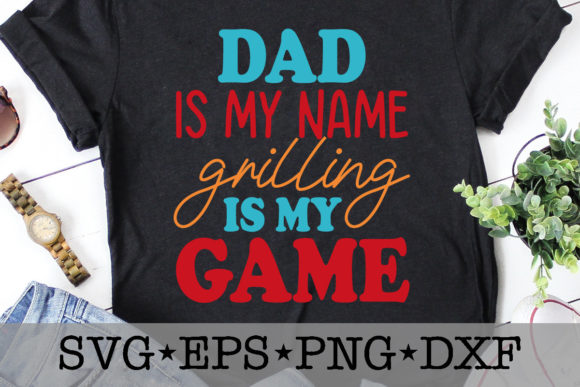
Dad is My Name Grilling is My Game
When I first opened Dad is My Name Grilling is My Game, I immediately pictured it stitched across the back of a heavyweight apron, the kind worn by someone who takes weekend barbecue duty seriously. The design carries a warm, humorous, and slightly nostalgic energy that feels made for Father's Day gifts, birthday presents, and casual small-shop merchandise. The typography-driven personality gives it broad appeal without trying too hard, and that balance is something I always look for when evaluating whether a digital file will actually earn its place in a craft business lineup.
What struck me most was how the layout already feels resolved. The phrase has a rhythm to it, with "Dad is My Name" sitting as the proud opener and "Grilling is My Game" delivering the punchline. That natural cadence matters more than many makers realize, because in embroidery, visual flow directly affects how stitch paths read on fabric. A design with awkward spacing or forced emphasis can look clunky once thread replaces pixels. This one holds its shape well at a glance, which tells me the vector structure underneath is clean and thoughtfully arranged.
The Mood It Creates Before a Single Stitch
There is an unapologetic personality here that appeals to a specific buyer. It is not trying to be elegant or subtle. It owns a backyard-barbecue, tongs-in-hand confidence that makes it ideal for personalized gifts aimed at dads who genuinely love grilling. The humor lands without feeling gimmicky, which is a harder line to walk than most people think. Designs that lean too hard into novelty can cheapen the finished product, but this one stays on the right side of that line. It feels like something a customer would pick up at a boutique market stall, smile at, and immediately picture on her husband or dad.
From a product photography perspective, this design gives sellers a lot to work with. The bold statement reads quickly in thumbnail previews, which is essential on Etsy and similar platforms where buyers scroll fast. Even in a mockup, the personality comes through clearly. That kind of instant recognizability is what turns a browser into a buyer.
Where This Design Truly Belongs
After years of testing embroidery files across different product types, I have learned to match a design's personality with the canvas it deserves. Dad is My Name Grilling is My Game belongs on items that share its casual, warm, and slightly rugged character. Aprons are the obvious first choice, especially heavy cotton or canvas styles that hold dense stitching well. A chef-style apron with this design centered on the chest or running across the bib creates an immediate giftable product that requires almost no additional styling.
Tote bags run a close second. A natural canvas tote with this design stitched in dark thread creates a practical, reusable grocery bag that doubles as a conversation starter at farmers markets. I have also visualized it on kitchen towels, where the design could sit near the bottom hem in a contrasting thread color, turning a basic household item into a thoughtful gift. For apparel, relaxed-fit t-shirts and sweatshirts work far better than fitted fashion cuts. The design's personality matches a comfortable, worn-in garment rather than something sleek or trendy.
Hat applications require more thought. The design contains enough detail that a structured cap with a generous front panel would be the safest route. Curved surfaces can distort lettering quickly, especially near the bottom arc of a baseball cap. I would personally test this on a flat surface first before attempting any curved placement.
Baby embroidery might seem like an unexpected category for a grilling-themed design, but I have seen plenty of small shops create adorable dad-and-baby matching sets. A tiny version on a baby bib or onesie paired with the full-size version on dad's shirt sells surprisingly well for Father's Day and first-time dad gifts. The key is scaling down carefully and checking that the smallest lettering remains legible after stitch-out.
Real Project Experience: Testing on a Canvas Tote
I ran a test stitch of Dad is My Name Grilling is My Game on a medium-weight canvas tote bag, which is one of my go-to test canvases for designs intended for gift products. I used a medium cutaway stabilizer and hooped the bag with a layer of tear-away backing for extra support. The design stitched out cleanly, with lettering that remained crisp even at the smaller end of the size range I tested.
The vector-based file structure deserves a mention here because it directly affects the embroidery outcome. The design is provided as resizable vector art, which means I could adjust the scale without losing edge quality before digitizing. That flexibility is valuable when you are preparing files for different product sizes, from a pocket-sized patch up to a full back design on a sweatshirt. The 300dpi resolution held up well under enlargement, and I noticed no pixelation or jagged edges when converting to stitch data.
Color changes were straightforward, which matters when you are customizing thread to match brand palettes or customer requests. The vector format makes it easy to recolor elements independently before importing into embroidery software. This saved me time when I wanted to test the design in white thread on a dark navy tote, a combination that would likely be a bestseller for Father's Day collections.
What to Watch for on Different Fabrics
Not every fabric handles this design equally well, and honest testing reveals where caution is needed. Stretchy fabrics like jersey cotton or performance blends can cause puckering around the lettering if the stabilizer is too light. I recommend a firm cutaway stabilizer and possibly a water-soluble topper for any fabric with pile or texture, such as terry cloth tea towels or fleece hoodies. The topper prevents stitches from sinking into the fabric, which would dull the crisp edges this design relies on for readability.
Thin fabrics, such as lightweight t-shirt material, require extra backing and possibly a slightly reduced stitch density to avoid tunneling. I always advise makers to sew out a test on the exact fabric type they plan to use, not just on a similar swatch. The difference between a cotton drill apron and a polyester-blend tote can be significant enough to change tension settings.
Dark fabrics present the usual contrast challenge. Light thread on dark backgrounds makes the design pop, but any gaps or uneven stitch density become more visible. I tested a white-thread version on black canvas and found the coverage solid, but I would still inspect the sew-out closely under good lighting before listing the finished product. A quick black and white preview during the digitizing stage helps catch density issues early.
Small hoop sizes are the biggest limitation for this design. The lettering needs breathing room to remain legible, and cramming it into a 4x4 inch hoop will push the text into risky territory. I found that the design performed best at a width of five inches or larger, giving the words enough space to stitch cleanly without the fine details filling in. For smaller applications like baby bibs, I would simplify by using only a portion of the design or scaling down only if the stitch test confirms readability.
Commercial Use and Customer Perception
From a small business perspective, Dad is My Name Grilling is My Game fits neatly into a category of designs that sell on emotional connection rather than visual complexity. Customers buy these items because the message resonates, not because the artwork is intricate. That is an important distinction for pricing. The perceived value comes from the personal connection and the quality of the finished product, which means stitch precision, fabric choice, and presentation matter even more than usual.
I can see this design moving well at summer craft fairs, Father's Day pop-ups, and barbecue-themed events. It also works as part of a larger grilling collection, perhaps paired with a spatula icon, flame motif, or coordinating "King of the Grill" companion design. Bundling complementary designs increases the average order value and gives customers more reasons to purchase.
For Etsy sellers, the listing photos should show the design on multiple products to help buyers visualize possibilities. A well-lit apron shot, a cozy sweatshirt mockup, and a flat lay on a kitchen towel together tell a stronger story than a single product image. Since the design is delivered as a digital file, sellers can create product mockups before committing to a single stitch-out, which speeds up the listing process significantly.
Practical Embroidery Designer Notes
Before committing to a full production run, I recommend the following workflow based on my own testing routine. First, open the vector file in your design software and confirm the layers are organized and easy to recolor. Check that all text has been outlined and no fonts are missing, which could cause rendering issues downstream. This design arrived clean and ready to use, but it is always wise to verify before importing into embroidery software.
Second, run a stitch test on scrap fabric that closely matches your final product material. Watch how the satin stitches lay down on the lettering. Adjust pull compensation slightly if you notice any gaps, especially in the thinner strokes of the letters. Third, test the design in at least two color combinations, including a light-on-dark and dark-on-light version. The design's personality shifts subtly with color choices, and what looks great in a screen preview may feel different once stitched.
Check your hoop size against the scaled design dimensions before hooping. Nothing wastes more time and stabilizer than realizing the design overhangs the hoop margin by a fraction of an inch. Also, confirm whether your commercial license covers finished product sales. The product description indicates this is a digital file download with resizable vector art and high-resolution 300dpi output, but the specific license terms for selling physical items made with the design should be confirmed directly with the provider before listing products publicly.
Who Will Love This Design Most
This design speaks directly to crafters building gift-focused product lines, especially those who sell around holidays like Father's Day, Christmas, and birthdays. It also suits small shops that specialize in personalized kitchen textiles, barbecue accessories, and humorous home goods. The emotional hook is strong enough that customers often buy on impulse when they see the finished product displayed in person, which is a significant advantage for craft fair vendors.
Apparel decorators who work with local restaurants, butcher shops, and barbecue supply stores could also find a use case here. A company logo paired subtly with this design on staff aprons or promotional merchandise adds personality without diluting the brand. The vector format makes co-branding adjustments manageable.
For hobbyists making one-off gifts, this design simplifies the creative process because the message is already complete. There is no need to add names, dates, or extra elements unless desired. A simple sew-out on a quality apron, wrapped with care, becomes a gift that feels intentional and personal without requiring hours of customization.
Final Thoughts Before You Stitch
Every design I evaluate gets measured by the same standard: does it make the finished product better, and does it make the maker's job easier. Dad is My Name Grilling is My Game scores well on both counts. The personality is clear, the file quality is solid, and the product possibilities are genuinely varied. Whether you are stitching a single gift or preparing inventory for a seasonal sales push, this design earns its keep through versatility and broad appeal.
Take the time to test it properly on your chosen fabric, dial in your stabilizer, and confirm your licensing. The extra hour spent on prep work will show in the finished piece, and customers notice when a handmade product looks professionally finished. That attention to detail is what builds repeat business and word-of-mouth referrals over time.