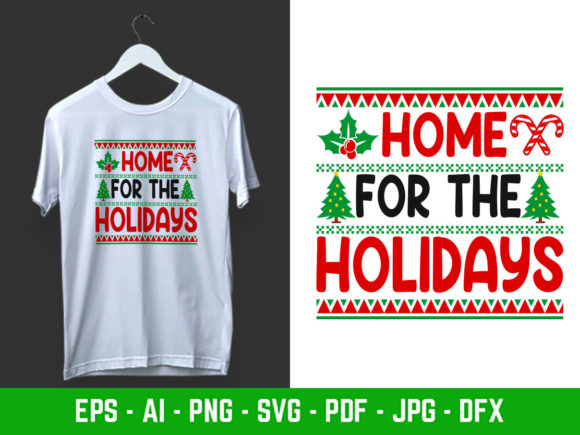
Home for the Holidays Christmas Tree – Designer Review
I have spent years testing embroidery designs across dozens of fabric types, thread brands, and project styles. When Home for the Holidays Christmas Tree landed on my screen, I did not just glance at it and move on. I sat with it for a while, imagining how those lines would translate into thread, how customers might respond to it on a finished product, and whether it truly belongs in a small shop owner's design library. What follows is not a quick thumbs-up. It is the kind of practical, stitch-by-stitch evaluation I wish more sellers offered before someone downloads a digital embroidery file and commits it to fabric.
First Impressions and the Mood It Creates
The first thing that struck me about Home for the Holidays Christmas Tree is how quietly inviting it feels. This is not a loud, sparkly, over-decorated tree that screams for attention. Instead, it carries a warm, nostalgic energy, the kind that makes you think of returning to a familiar front door, a lit window, and the scent of pine. The silhouette reads clearly even at a smaller scale, which matters enormously when you are planning a machine embroidery design for real products.
What I appreciate most is how the tree shape holds its own without demanding overly dense stitching. Too many holiday designs pack in every ornament and ribbon, only to become a stiff, puckered mess on fabric. This one feels balanced. It gives you the holiday spirit without overcomplicating the stitch path, and that alone makes it more versatile than many festive embroidery file options I have tested over the years.
The overall composition suggests a hand-drawn charm that will appeal to buyers looking for something genuine rather than mass-produced. For a craft business owner, that matters. Your customers are not just buying a handmade product. They are buying a feeling, and Home for the Holidays Christmas Tree delivers a feeling of coming home.
How the Design Performs in Real Embroidery Projects
I always test a design mentally across several project types before ever loading it into a machine. Every embroidery project has its own personality, and a design that sings on a tote bag might completely fail on a baby onesie. Here is where I see Home for the Holidays Christmas Tree fitting best, based on years of working with similar graphics.
Sweatshirts and Custom Apparel
This is a natural home for the design. A crewneck sweatshirt in cream, soft gray, or forest green would give the tree plenty of contrast while keeping the cozy theme intact. The stitch density would need checking before you commit, but visually the design has enough openness to avoid that dreaded bulletproof patch feeling on knit fabric. I can easily picture this on a custom apparel order for a family reunion or a small boutique holiday drop. Customers browsing Etsy seller listings for personalized sweatshirts would stop scrolling for this one.
Tote Bags and Everyday Carry
A canvas tote bag with Home for the Holidays Christmas Tree stitched near the corner would make a lovely, understated holiday gift. The design has enough presence to feel intentional but stays small enough in spirit to work as an accent rather than a full-face print. I would recommend testing it on natural cotton canvas first. The fabric texture of unbleached totes pairs beautifully with designs that have a slightly rustic, hand-illustrated feel, and this tree sits right in that sweet spot.
Kitchen Towels and Pillow Covers
This is where I think the design could genuinely shine. A flour-sack tea towel embroidered with Home for the Holidays Christmas Tree in deep evergreen thread would make a gorgeous hostess gift or craft fair item. The same goes for a simple linen pillow cover. The design reads as intentional and thoughtful, not flashy, which is exactly what people want in home textiles during the holiday season. If you are building a small shop product line around holiday home decor, this design belongs in your shortlist.
Baby and Nursery Items
Soft, gentle, and not overly fussy—those are my requirements for baby embroidery, and this tree meets them. On a tiny sweatshirt, a baby blanket corner, or a nursery pillow, the design would feel tender rather than busy. I would urge anyone using it on infant items to double-check that all small connecting stitches are secure and that no loose thread loops could catch tiny fingers. Test on scrap first. Always.
Where You Should Pause and Test Carefully
Not every design works everywhere, and pretending otherwise does a disservice to makers who are trying to build professional reputations. Here are the situations where Home for the Holidays Christmas Tree requires a thoughtful approach before you list a finished product in your shop.
Small hoop sizes will be the first challenge. If the tree includes any fine interior details—tiny gaps between branches, subtle texturing, or delicate outlines—those can close up fast when the design is shrunk too far. Always run a test stitch at the exact size you plan to sell before ordering a dozen blanks. A hoop size that technically fits the design might still produce muddy results if the details were meant for a larger scale.
Stretchy fabrics like thin jersey or ribbed knits need extra care. The tree's vertical shape means any fabric pulling during hooping will distort the symmetry immediately. Use a quality stabilizer, preferably a cutaway for knits, and do not skip the basting stitch. I have seen too many beautiful holiday designs turn crooked on a t-shirt because the maker rushed the hooping step.
Dark fabrics present another consideration. If the tree relies on finer lines or open spaces for its personality, those can disappear against black or navy backgrounds. Test the design in a black-and-white mockup before committing to thread colors. What looks airy and charming on a light background might feel thin and lost on dark fabric. Sometimes a slight thread color shift or an extra outline pass is all it takes to fix the contrast.
Layered garments and curved surfaces, especially caps and hat fronts, deserve a separate test run. The tree's proportions may need slight repositioning to sit naturally below a cap seam. I would never promise a customer a cap with this design until I had stitched at least two samples myself. That is just honest commercial embroidery practice.
What This Design Does for Your Product Value
When you embroider Home for the Holidays Christmas Tree onto a product, you are not just adding thread. You are adding a recognizable emotional tone that customers respond to. Holiday buyers make quick decisions, often driven by sentiment. A design that feels warm, familiar, and well-made will win over something generic every time.
From a branding perspective, this design helps build consistency. If your craft business leans toward cozy, heartfelt, home-centered products, this tree fits that voice without explanation. Repeat customers start to recognize your aesthetic, and that recognition builds trust. A personalized gift featuring this tree, perhaps with a family name or a short phrase added below, feels curated rather than slapped together.
I also think about printable mockup potential. For digital sellers who offer design assets to other makers, showing this tree on a realistic sweatshirt or tote bag mockup increases buyer engagement significantly. People need to see the design in context before they buy the digital embroidery file, and this tree photographs well when stitched cleanly on natural fabrics.
Practical Notes Every Embroiderer Should Follow
Before you stitch Home for the Holidays Christmas Tree for a paying customer or a holiday embroidery gift, run through this checklist. I keep a version of this taped above my own machine, and it has saved me from countless late-night re-dos.
- Test on scrap fabric first. Use the same fabric type, stabilizer, and thread brand you plan to use on the final product.
- Check thread color contrast. Hold the spool against the fabric under natural light before loading it. What matches on the screen rarely matches in person.
- Review stitch density. If the design feels stiff or causes puckering, you may need to adjust density settings or switch to a lighter stabilizer.
- Confirm your hoop size. Measure the actual stitch area, not just the design preview. Leave room for the hoop's inner edge.
- Inspect small details. Zoom in on any fine branches, text, or decorative accents. Stitch them out and examine the result under magnification if needed.
- Test on both light and dark fabrics. A design that looks perfect on cream can lose half its character on charcoal.
- Use proper stabilizer. Cutaway for knits, tear-away for woven fabrics, and always consider a topping for plush or textured surfaces.
- Check licensing before selling. Since the product description mentions digital files for personal use with friends and family, verify whether commercial embroidery usage is included or if a separate license is required before you list finished items.
Satin, Fill, and Running Stitches: What to Look For
Without seeing the exact stitch breakdown of Home for the Holidays Christmas Tree, I can make some educated guesses based on the visual style. Designs with this hand-drawn, slightly rustic feel often rely on a mix of running stitch outlines and selective fill stitch areas. If the tree includes any solid elements, those likely use satin stitch or lighter fill patterns to maintain flexibility.
One thing I watch for in tree designs is whether the branches are outlined individually or if they blend into a single filled shape. Individual branch outlines give more texture and visual interest, but they also require more precise hooping and can shift on loose-weave fabrics. A unified fill stitch is more forgiving but can look flat if not paired with good thread sheen. Without examining the actual stitch density settings, I would still recommend testing both flat and textured fabric backgrounds to see how the stitch definition holds up.
Real-Life Scenario: A Custom Holiday Tote Order
Let me walk you through how I would use Home for the Holidays Christmas Tree in an actual client project. A customer contacts me wanting twelve custom tote bags as holiday gifts for her book club. She wants something festive but not cartoonish, something her friends would actually carry after December ends. I immediately think of this tree design.
I would pull a natural canvas tote, test the design at roughly four inches tall in deep spruce green thread, and add a small personalized initial below each tree in a complementary gold or cream. The tote bag design would sit slightly off-center toward the bottom right corner, leaving the rest of the bag clean and functional. After stitching the first sample, I would wash it once to check for any thread loosening or distortion, because a handmade product that cannot survive a gentle wash cycle is not ready for gifting.
I can already picture her reaction when she sees the finished totes. They would feel thoughtful, personal, and quietly festive. That is the kind of finished product that generates word-of-mouth referrals and repeat orders. And it all starts with choosing a design that respects the fabric, the stitch process, and the end user.
If you are an apparel decorator, a small shop product creator, or a creative entrepreneur building a holiday collection, Home for the Holidays Christmas Tree deserves a spot in your test queue. Stitch it out, live with it for a day, and decide for yourself. But if my experience tells me anything, it is that designs like this one earn their place through quiet reliability rather than flash, and that is exactly what keeps customers coming back year after year.