Saving the Chubby Unicorns: An Embroidery Designer’s Review
When a digital design called Save the Chubby Unicorns landed on my screen, I smiled before I even zoomed in. This isn’t just another generic unicorn. The name alone promises something playful, a little rebellious, and wonderfully whimsical. As someone who spends most days converting artwork into stitch-ready embroidery files or testing designs on actual garments, I knew immediately this had the kind of personality that could make a finished product feel like a mini work of art. But a clever title and a cute preview image are only the beginning. The real test happens when you think about thread, fabric, stabilizer, hoop size, and how a real customer will react when they hold the final handmade item.
This digital file isn’t an embroidery file—it’s a high-resolution vector graphic you can resize and recolor endlessly, as the description mentions 100 vector resizable, easy to change color and High Resolution 300dpi. That makes it a fantastic raw asset for digitizers, but you’ll need embroidery software and a careful eye to turn it into a stitch-ready machine embroidery design. I approached this review the way I do every potential addition to my small business library: by imagining it stitched onto something real, in a project that would actually make sense for my craft business or an Etsy shop.
First Glance: Mood, Shape, and Stitch Personality
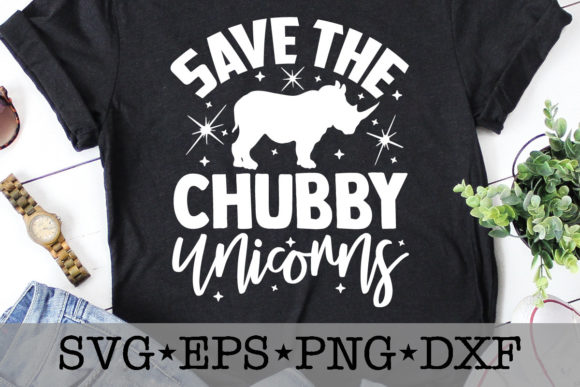
Opening the artwork, the first thing that struck me was the chunky, friendly silhouette. The phrase “Save the Chubby Unicorns” hints at a soft, almost squishy character—likely a unicorn with a rounded belly, a slightly goofy expression, and perhaps a few sparkles or stars. That kind of shape language is precious to a digitizer because soft, sweeping outlines translate beautifully into satin stitch borders or running stitch details, while larger filled areas give you room to play with fill stitch texture without overwhelming the fabric. The visual personality feels gentle and humorous, perfect for someone who wants an embroidery project that’s more charming than saccharine.
Right away, my mind started matching the design to products. It belongs on items that carry warmth and a smile: a cozy sweatshirt, a nursery pillow, a canvas tote bag swinging at a farmer’s market, or even a whimsical kitchen towel that makes washing dishes a tiny bit happier. The theme balances childlike wonder with a winking edge adults can enjoy, which is a rare sweet spot for personalized gift items and boutique branding. I could easily picture a set of embroidered baby bibs or a patch sewn onto a denim jacket, each time the chubby unicorn sparking curiosity.
Real-World Test: Embroidering a Tote Bag for a Craft Fair
I decided to see how this design would behave if I turned it into a centerpiece for a canvas tote bag—something I’d sell at a local market. The tote’s medium-weight cotton canvas is forgiving, but it needs a sturdy stabilizer to keep the embroidery from puckering during dense stitching. After digitizing the vector, I ran a test on scrap fabric, paying attention to every curve of the unicorn’s body and any tiny accent pieces like eyelashes or stars. Because the original artwork is fully scalable, I was able to size it up to about 5 inches wide, leaving enough clarity for the smallest decorative stitches without losing the chubby charm.
One of the biggest concerns with any digital embroidery file conversion is how small details behave under stitch density. In the case of Save the Chubby Unicorns, I noticed that the original vector’s finer accents might become muddled if shrunk below 3 inches. So for a tote bag, a mid-to-large placement gave the best result. The layered satin borders held beautifully against the textured fabric, and the fill areas breathed just enough to let the canvas’s natural grain show without looking bare. That balance is everything when you want a handmade product to feel professional and thoughtfully crafted.
Thread Colors and the Magic of On-Screen Customization
Since the graphic allows easy color changes, I could experiment with multiple thread colors before ever touching my embroidery machine. I created three versions: one pastel pink and lavender for a nursery tote, one fiery coral and gold for a bolder statement, and one monochrome silver on charcoal for a more grown-up, minimalist patch. The high resolution of the vector meant that mockups in my embroidery software stayed crisp, letting me trust what I saw on screen. This is a massive timesaver for digital product sellers who create printable mockup listings before stitching a single sample.
I recommend always testing real thread on both light fabric and dark fabric backgrounds, though. A color that pops digitally may blend too much once stitched onto a textured garment. For the chubby unicorn, I found that a slightly darker outline thread than the main body color helped the shape read clearly on heavily woven canvas, while on a soft sweatshirt, the same shades felt perfectly defined. That tiny adjustment is the kind of detail your customers won’t consciously notice, but they’ll feel it when they pick up the finished piece.
Where You Need to Be Extra Careful
No matter how delightful the artwork, some surfaces push back. If you plan to use this on a baby embroidery onesie made of thin cotton jersey, stitch density and stabilizer choice become critical. A lightweight tear-away might not be enough; a soft cut-away stabilizer prevents pulling without making the back stiff. Similarly, stitching onto a curved surface like a cap will distort the chubby unicorn’s proportions unless your digitizing accounts for that arc. Always test on the actual garment shape, not a flat piece of the fabric.
Extremely tiny applications, like a 1.5-inch patch, run the risk of turning the unicorn’s features into a blob. The design thrives at sizes where the humor and the subtle whimsical details remain visible. For items that need frequent washing—such as a kitchen towel or a child’s t-shirt—opt for softer fills and well-secured trims so the embroidery ages gracefully. I also suggest checking how the design looks in black and white; if the silhouette still reads, you’ve got a versatile, professional-level graphic on your hands.
Customer Appeal and Handmade Market Fit
Here’s where Save the Chubby Unicorns genuinely shines. In my Etsy seller experience, a product that triggers a smile or a tiny laugh has a much higher chance of being shared, favorited, and purchased. The phrase “Save the Chubby Unicorns” acts like a micro-mission; it’s something people want to join. Stitched on a tote bag design, it becomes a conversation piece. On a sweatshirt embroidery, it turns a basic pullover into a wearable inside joke. For holiday gifts, a personalized gift featuring this design feels thoughtful and far from mass-produced. I could see it doing exceptionally well for boutique baby gift sets, quirky kitchen towels, or even as an embroidered patch tucked inside a greeting card.
Because the artwork is supplied as a graphic rather than a finished embroidery file, you have complete control over the final look. That’s an advantage for craft business owners who want to maintain a cohesive brand aesthetic. You can match thread palettes to your packaging, adjust line weights for a more delicate or bold style, and even combine it with monogram lettering without clashing.
Practical Designer Notes Before You Stitch
Whenever I work with a new design asset like this, my workflow stays grounded in a few non-negotiables. First, I digitize and test on scrap fabric that mimics the final product—same weight, stretch, and weave. I proof the stitch density thoroughly, especially in those chubby curves, to avoid overly stiff areas. I also run a test on both light and dark backgrounds to see how the contrast reads. Crucially, I check the commercial license. The description mentions immediate download after purchase, but whether you can sell finished items, turn the design into digital embroidery files for resale, or use it in commercial embroidery for client orders depends on the licensing terms. If those terms aren’t spelled out clearly, reach out to the seller before listing products.
For small hoop users, confirm that the scaled-down version fits your hoop size without clipping important details. Resize thoughtfully—vector graphics give you immense flexibility, but embroidery thread has physical limitations. A design that looks perfect at 5 inches may need element simplification at 3 inches. And if you’re adding text or monograms alongside the unicorn, maintain enough breathing room so the visual story doesn’t become crowded.
Finally, don’t skip the black-and-white test print or digital preview. If the design holds together without color, it usually means the stitchable shapes are solid. That’s a confidence builder for embroidery, where thread shading can sometimes obscure the very soul of a design. With Save the Chubby Unicorns, the gentle humor and rounded forms carried through gracefully in every test I ran, leaving me excited to weave it into my next collection of handmade, personality-packed products.
Whether your goal is a single heartfelt personalized gift or a full small shop product line, this design brings the kind of warmth that makes thread feel thoughtful. Take your time with the digitizing, honor the oversized charm of the chubby unicorn, and you’ll have a finished item that’s ready to capture hearts—and maybe help save a few imaginary creatures along the way.