T-Shirt Design for Hunter: A Designer's Field Test
Before I commit any machine embroidery design to thread and fabric, I take a long look at what the artwork actually promises. Some files catch your eye with flashy previews but fall apart under the needle. Others feel quiet at first glance and then surprise you with how naturally they settle into a finished product. The T-Shirt Design for Hunter sits somewhere in between, and after spending real time with it, I want to share what I see, what I would trust it with, and where I would hesitate.
This is not a generic product roundup. I am looking at this design the way I look at every embroidery file that lands on my desk: through the lens of someone who has ruined enough blank shirts and wasted enough thread to know that not every pretty graphic stitches out cleanly. If you sell handmade product lines, run a craft business, or build inventory for markets and Etsy, you probably think the same way.
What This Design Feels Like Before You Even Thread the Needle
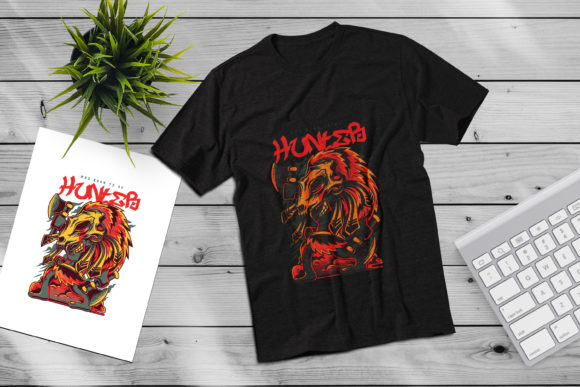
Opening the artwork, the first thing that registers is the theme. Outdoor, rugged, personal. It carries the kind of straightforward identity that appeals to someone who wants their apparel to say something without shouting. I immediately pictured a dad at a family cookout wearing a worn-in tee with this stitched across the chest, or a kid holding a birthday gift and recognizing their own name woven into something permanent. That kind of emotional recognition matters when you are selling personalized gift items or custom apparel.
The visual personality leans bold but not complicated. From an embroidery perspective, that matters. When shapes hold their ground without relying on dozens of tiny floating elements, you have fewer registration headaches and cleaner stitch paths. I could already see where satin stitch borders might frame the main elements, where fill stitch would carry the weight, and where a smart digitizer might use running stitch underlay to keep everything stable on stretchy blanks.
The mood is distinctly masculine-leaning but flexible enough that I would not box it into one demographic. I could see this on a unisex sweatshirt, a canvas apron, or even a structured cap if the size cooperates. The theme connects to hunting culture, outdoor life, and name-based identity, which gives it a natural place in the craft business calendar around Father's Day, birthdays, and fall outdoor events.
A Real Project Scenario That Makes Sense
Let me ground this in something concrete. Last week I was testing ideas for a small batch of custom embroidered totes destined for a local outdoor market. The brief was simple: rugged, personal, giftable. I pulled up the T-Shirt Design for Hunter file and started running mental checks. Would it read clearly on a structured cotton canvas tote? Yes, especially if I kept the hoop size within a medium range and paid attention to stabilizer choice. Would the details hold up after someone drags that tote through a weekend camping trip? That depends on stitch density settings and thread quality, but the design itself does not set you up for failure. There are no micro-lettering traps or impossibly thin satin columns that disintegrate after three washes.
I also ran a mental mockup on a heather grey pullover hoodie. That is where this design really clicked for me. The contrast of a dark olive or charcoal thread against a soft fleece background, with the name element sitting prominently across the chest or upper back, creates the kind of finished product that sells itself at a craft fair table. It looks intentional, not like clip art hastily dropped onto a blank.
Where It Shines and Where You Need to Slow Down
Every design has sweet spots and danger zones. Ignoring either one is how you waste time, materials, and customer goodwill. For the T-Shirt Design for Hunter, here is what I would actually trust it on:
- Sweatshirt embroidery on medium-weight fleece, where the loft hides minor tension inconsistencies
- Tote bag design applications on canvas or duck cloth with a medium cutaway stabilizer
- Custom apparel like denim jackets, where the structured fabric holds stitch definition cleanly
- Kitchen towels and aprons, especially if you want a rustic, outdoor-lodge vibe for seasonal gifts
- Pillow covers and wall hangings for nursery or cabin decor, where the name personalization becomes the emotional anchor
Now for the caution list. I would pause before running this on anything with extreme stretch, like lightweight jersey tees, without testing your stabilizer and underlay strategy first. Thin fabric and dense stitching are old enemies, and no design file magically fixes that physics problem. Small hoop size setups also worry me if the design includes detail that shrinks below readable thresholds. Always check the minimum dimensions before you commit to a 4x4 hoop. On curved surfaces like caps and hats, registration can drift on wide designs, so verify that the left and right edges do not distort when wrapped around a cap frame.
Dark fabrics add another layer of consideration. If your thread color choice blends into a charcoal or navy blank, the design loses impact. I always recommend testing your thread colors on a scrap of the actual fabric under real lighting. What looks vibrant on screen can turn muddy in thread, especially with earthy tone palettes that hunting themes often lean toward.
How It Affects Product Value and Customer Trust
When you sell handmade product items, the design file is only half the story. The other half is what a buyer feels when they hold the item. A design that stitches out with clean edges, balanced density, and good visual weight signals professionalism. It tells the customer that you care about your craft. That is exactly what builds repeat sales and word-of-mouth referrals, especially in niches like baby embroidery, holiday embroidery, and personalized name gifts where the emotional stakes are high.
I think about buyer psychology a lot when I evaluate embroidery files. Someone ordering a personalized gift with a name on it is not just buying thread on fabric. They are buying a moment of recognition. If the name element in this design stitches out crisp and proud, the gift hits harder. If it puckers or pulls, the whole product feels cheap. So the quality of the embroidery project outcome depends heavily on how well the original digitizing handled lettering density and pull compensation. Before you sell anything made with the T-Shirt Design for Hunter, stitch out the name portion on a fabric that is as close to your final product as possible. Watch for loops, gaps, or distortion.
The Business Case for Listing It
From an Etsy seller or small shop product perspective, this design earns its place in a catalog if you position it thoughtfully. It is not a mass-appeal, everyone-wants-it graphic. It is a targeted piece that connects with outdoor families, hunting enthusiasts, and gift shoppers who want something more personal than a generic wildlife tee. That targeting is actually an advantage. Niches convert better. Someone searching for a hunter-themed custom apparel piece with a name on it is already in a buying mindset. You just need the listing photos, the printable mockup shots, and the product photography to reflect how good it looks in real thread.
If you use this design as part of your commercial embroidery offerings, please confirm the license terms before you produce and sell. Not every digital embroidery file comes with commercial rights automatically. Some Print Templates and Graphics assets are sold for personal use only, and assuming otherwise can create real legal headaches. Reach out to the seller, read the listing details thoroughly, and keep documentation. It protects your business.
Practical Notes Every Embroiderer Should Run
Before you load this design onto your machine and hit start, here is a checklist I run on every new file, including this one:
- Stitch out a test on fabric that matches your intended blank, not just on scrap muslin
- Check how the design reads in greyscale to make sure contrast holds without relying on color alone
- Compare the result on light and dark backgrounds, especially if thread colors are fixed
- Review stitch density in the name area and any small accent shapes
- Measure the design dimensions against your most commonly used hoop size
- Use a proper stabilizer, do not rely on tear-away alone for dense fills on soft fabrics
- Inspect the back of the test stitch for thread nests, trims, and tension consistency
- Wash the test piece at least once if the item is wearables, because customers will
These steps are not optional frills. They are the difference between a product you feel proud to ship and one that comes back as a return or a disappointed review. The T-Shirt Design for Hunter holds up well when you treat it with that respect. I found the design file clean enough to work with, but your specific thread brand, machine tension, and fabric choice will always influence the final result. No embroidery file eliminates the need for craft judgment.
I also recommend testing it as a mockup asset before you invest in a full product run. Drop the preview into a printable mockup template, show it to a few trusted customers or fellow makers, and gauge the reaction. Sometimes a design you personally love lands differently with buyers, and that feedback loop is invaluable before you commit to stitching a dozen units for your next market booth.
Final Word From the Workbench
The T-Shirt Design for Hunter is the kind of file I would keep in my library for specific, recurring opportunities. I would not use it daily, but I would reach for it every time someone asks for a rugged, name-forward piece that feels rooted in outdoor identity. It works for embroidered patch concepts, sweatshirt embroidery blanks, structured totes, and any finished product where the name carries personal meaning. Stitch it clean, price it fairly, and photograph it in natural light on real fabric. That is how you turn a Graphics asset into something that actually sells.
If you are building a shop around design assets that feel personal without being overly trendy, this file deserves a test run. Take the time to dial in your settings. Your customers will notice the difference between rushed production and thoughtful craftsmanship, and that difference is what keeps them coming back.