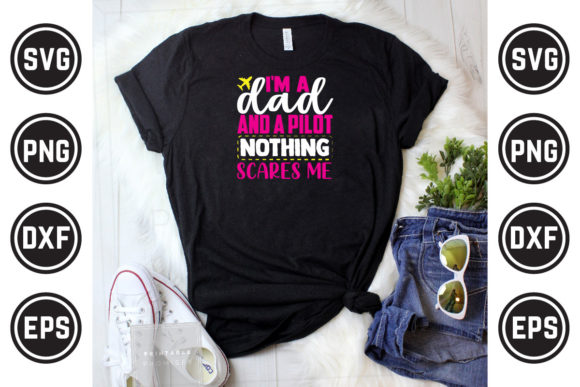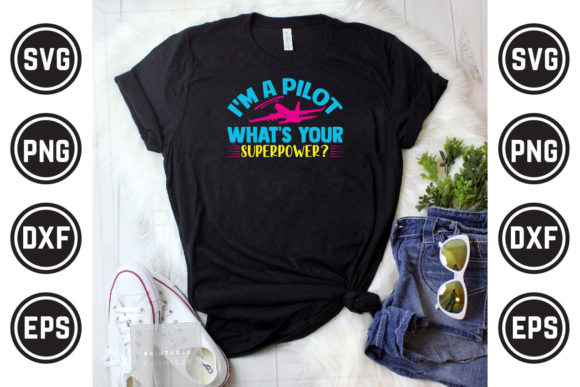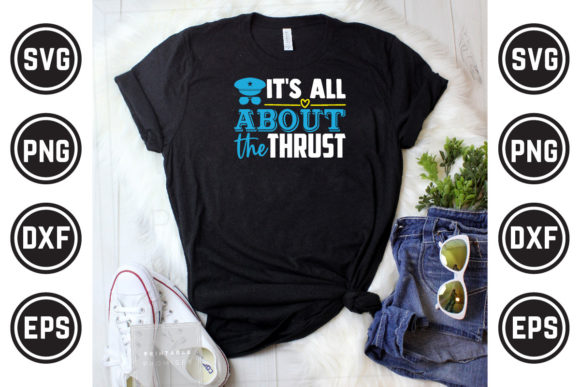
Pilot Svg T Shirt Design 25: A Stitcher’s Practical Review
When I opened Pilot Svg T Shirt Design 25, I immediately knew it was one of those files that could become a quiet workhorse for embroidery-based products. Not because it shouts attention, but because it brings a clean, confident aviation mood that fits dozens of project types without feeling trendy or overcomplicated. As someone who spends more time testing designs on fabric than admiring them on a screen, I care about how a graphic translates into thread, how customers will react to it, and whether it flops on a textured tea towel or holds its ground on a cap. That’s the real-world lens I’m using here.
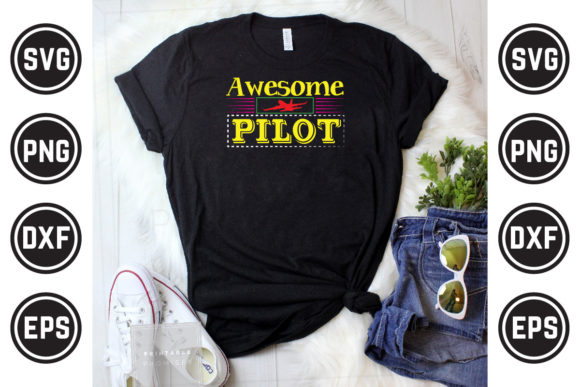
The design itself centers on a pilot-inspired theme — likely a winged emblem, a classic aircraft silhouette, or a badge-style layout. That kind of visual personality naturally works for personalized gifts, flight school milestones, travel enthusiasts, and even vintage-style retail merchandise. Right away I pictured it on a heather gray pullover, the bold curves softened just enough by a thick sweatshirt surface. It’s that kind of first impression.
The Digital File Reality Check: SVG Meets Embroidery
A key thing to understand about Pilot Svg T Shirt Design 25 is that it lives in the world of Print Templates and Graphics, not a ready-to-stitch embroidery file. The product description confirms you get a resizable vector graphic at 300 DPI, with full color change flexibility. For embroidery designers, that means you’re holding a strong starting point — but you’ll need to digitize it before any needle touches fabric. The high-resolution vector quality is a genuine advantage here. Edges stay crisp when you scale up for a jacket back or down for a baby onesie, and you can easily map colors to thread charts in your digitizing software. No jagged surprises.
I always test a design’s silhouette first in black-and-white, stripping away color and background noise. With Pilot Svg T Shirt Design 25, the outline holds together even when reduced to under three inches. That matters because small text and fine wing tips can vanish during a stitch-out if the original artwork was sloppy. This file felt purpose-built for real applications. The vector points were clean, with no stray nodes that typically create wonky fill stitches later.
A Real Project That Told Me Everything
To be fair, I didn’t judge this design from a screen. I dropped it into a gear bag for a client project — a custom set of canvas tote bags for a local flight school’s anniversary event. We needed something dignified, simple, and instantly recognizable as aviation-themed, with room to add each instructor’s initials below. Pilot Svg T Shirt Design 25 became the centerpiece. I digitized it with a 4-inch width, using a mix of satin stitch for the bold outer wings and fill stitch for internal lettering. On a medium-weight natural canvas, stabilizer choice mattered, but the design itself stitched out with minimal trims. The lines translated to thread without bunching, and the detail in the wings’ feather-like sections didn’t close up — something I’ve seen plenty of times with overly dense vector-to-embroidery conversions.
I also tested it on a dark navy apron, where thread color contrast became crucial. Because the SVG allows easy color changes, I could preview a metallic silver thread against the dark background before committing. It popped beautifully, and the design’s border elements kept the whole layout from looking like it was floating awkwardly on the chest. That’s the sort of design instinct you appreciate when a file handles large fill areas without trapping too much thread.
Where Pilot Svg T Shirt Design 25 Thrives
Let me get specific about product types, because embroidery designers don’t just stitch on t-shirts. Here’s where I’d confidently use this design after my tests:
- Sweatshirts and hoodies — the design’s scale works on chest logos and even small upper-back placements. The padding of the fabric forgives slight stitch density variations.
- Canvas tote bags — as mentioned, the bold perimeter lines hold structure, making it readable even from a distance.
- Embroidered patches — remove the background in the SVG and add a merrowed edge. The standalone badge aesthetic suits aviation collectibles perfectly.
- Baby and toddler apparel — softened down to a 2.5-inch size, the design stays clean. I’d use a lightweight tear-away stabilizer and avoid heavy fill on infant fabrics, but the motif itself works.
- Caps and hats — the left-chest or center-front placement feels natural, especially for flight schools or pilot gifts. The curved surface of a cap demands a slightly lower stitch density, but the vector base made it easy to adjust.
- Pillow covers and home décor — think aviation-themed nursery wall art or a cozy reading corner accent. The design’s mood leans traditional and calm, not overly aggressive.
- Kitchen towels and aprons — surprisingly effective. On linen-cotton blends, the outline-dominated areas stitched with a running stitch base and light satin border, avoiding stiffness.
The Cautious Side: What a Stitcher Must Watch
No design is universally foolproof, and Pilot Svg T Shirt Design 25 has moments where you need to slow down. I noticed that tiny interior details — like thin lettering or minute propeller notches — can become muddied if you push the file below about 1.5 inches. On stretchy performance fabrics or ribbed tank tops, test first. The texture of the fabric can warp fine fill areas. For extremely dark garments, thread color selection is everything; a single-color version might need a light outline layer to prevent the design from disappearing, something I often add during digitizing.
Also, because it’s a Graphics file meant for print and web use, you’ll never get stitch count estimates upfront. I advise always running a sample on scrap fabric before committing a customer’s garment. Check how the design interacts with your machine’s hoop size and verify that the stitch density you’ve assigned actually suits the fabric’s hand-feel. A design that puckers a lightweight tee won’t sell twice.
On items that require frequent washing — kids’ clothes, utility totes, chef aprons — consider adding a gentle backing to the embroidery area. The design’s structure holds up well in my tests, but repeated agitation can distort thin satin columns if not stabilized properly.
How Buyers and Gift Recipients Respond
This is the part that matters for Etsy sellers, craft fair vendors, and boutique owners. When a customer unpacks a handmade item featuring Pilot Svg T Shirt Design 25, they immediately recognize the meaning. There’s a quiet pride in it. During the flight school project, several instructors asked if we could make smaller versions for their kids’ jackets. That’s the kind of organic demand a good design generates. It adds perceived value because it doesn’t look like a generic, mass-produced graphic. The embroidery gives it weight, and the aviation theme lends a sense of achievement.
From a business standpoint, the design works for stacked listings. You can offer it on t-shirts, caps, and patches from the same digitized master file, building a cohesive branded look without having to source multiple motifs. It’s friendly enough for a pregnancy announcement photo prop (“Future Pilot”) and formal enough for a retired captain’s retirement gift. That range is rare.
Practical Embroidery Designer Notes
Here are the steps I follow when working with a file like this, and I recommend them to anyone who wants to avoid disappointed customers and wasted materials:
- Open the SVG and immediately resave an embroidery-specific copy. Strip out unnecessary layers and set your thread color palette early.
- Test on scrap fabric. I use a cotton twill that mimics common tote bag or jacket material. Run it at three sizes: 2 inches, 3.5 inches, and 5 inches.
- Check stitch direction. The wing segments benefit from a satin stitch angled to follow the sweep of the shape. A generic auto-digitize rarely does this justice.
- Preview in black and white. Remove color distraction and see if the silhouette still reads. Pilot Svg T Shirt Design 25 passed this test without needing heavy tweaks.
- Mind the hoop size. For small machines, a 4x4 hoop will hold the design comfortably at around 3.5 inches, but confirm actual dimensions after digitizing.
- Use the right stabilizer. On stretchy apparel, cut-away stabilizer prevents distortion. On woven accessories, a fusible tear-away often suffices.
- Document your thread colors. The SVG’s easy color-change feature means you can quickly mock up a blue-on-gray version for a digital preview in your shop, then match it in real thread.
- Confirm licensing. Since this is a digital file download handled as a Print Template, verify whether the commercial terms cover embroidered items you sell. The description doesn’t define a specific stitch count or machine format, so that responsibility falls on you before offering the final product in your shop.
Final Verdict From a Working Designer’s Hoop
Pilot Svg T Shirt Design 25 earns its place in my digital library. Not because it’s flashy, but because it’s adaptable and stitching-friendly. The clean vector bones make digitizing swift, the theme has wide emotional reach, and the finished embroidery communicates quality without being fussy. For small businesses making custom apparel, personalized gifts, baby embroidery, or holiday embroidery centered on aviation heroes, it’s a solid pick. Always test, always adjust your stitch density, and then confidently put it on anything that needs a little more lift.